
I stood inside Starbucks recently watching seven baristas fill mobile orders while customers waited to be acknowledged. The store felt less like a café and more like a fulfillment center. Names were being shouted, drinks stacked across pickup counters, everyone moving quickly, nobody lingering.
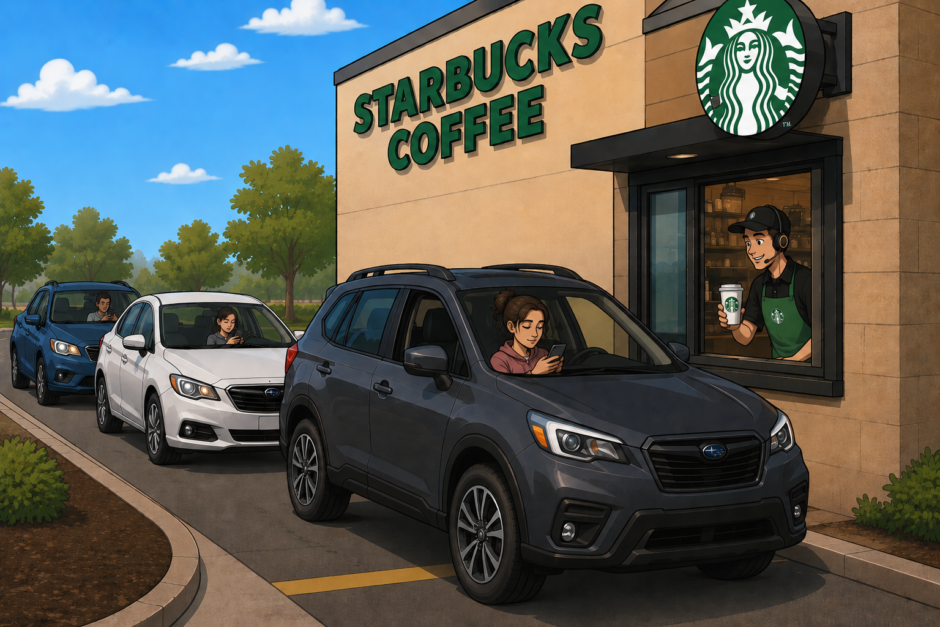
Starbucks became CarBucks.
And the strange part is that we still pay a premium for it.
The original Starbucks idea was built around experience. Howard Schultz often spoke about the cafés he encountered in Italy — places where people paused, gathered, talked, and settled into a slower rhythm than the world outside. Coffee was part of it, but atmosphere was the real product. Now speed is the product.
This is not really criticism. Convenience solves real problems. People are busy, exhausted, and overextended. Mobile ordering and drive-thrus fit modern life. But something gets lost when speed becomes the main value of a culture.
Meals are eaten in cars. Conversations happen through text. Learning becomes clips. Church becomes livestreams. Vacations become content creation. Even homes increasingly become transactions instead of places to live.
Home renovation is a clear example of this.
People rush into projects by collecting contractors’ names, pricing kitchens, buying fixtures online, and saving inspiration photos before they fully understand what they actually want, need, or can realistically sustain emotionally and financially. The home improvement industry seems to reward momentum over understanding — faster pricing, faster schedules, faster decisions, faster construction.
But homes are personal. And personal things do not respond well to transactional speed.
Slowing down the process typically creates better outcomes. Not because delay is virtuous, but because understanding takes time.
You can taste when a cup of coffee has been made with care instead of speed. You can feel the difference in home renovation too, when personal understanding takes front seat to address needs, desires, and available resources.
People simply starve for experiences, and places, that feel human.
Efficiency can improve life. But when everything becomes optimized for speed and convenience, we eventually stop asking what human qualities disappeared along the way.
Starbucks once invited people to sit down and be. Now many locations are designed so people never leave their cars. The business model changed toward convenience, culture demand, and business profits.
But sometimes while standing inside one of those stores waiting to be served watching dozens of drinks move rapidly through the drive-up or mobile pickup area, I wonder if we are doing the same thing to other meaningful parts of our lives.
Moving faster. Consuming quicker. Experiencing less.
Still paying a premium for things that lack human connection and no longer feel quite as personal or intimate.